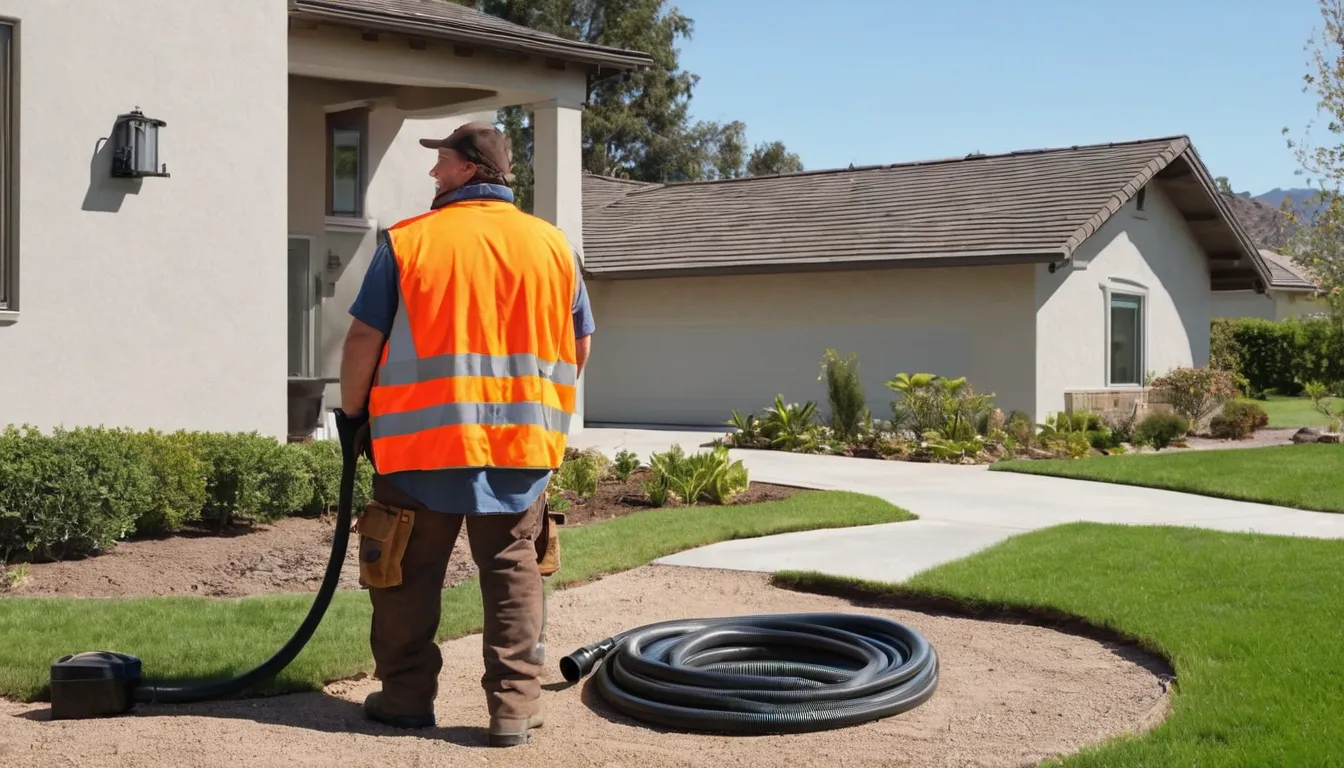
Septic Tank Pumping Services in Menifee
Request your pumping estimate
A septic tank holds wastewater while solids settle and liquids move on to the drainfield. Over time, the solids build up. When there is too much, the tank cannot do its job. Drains slow down, toilets gurgle, and yards can turn soggy or smelly.
Septic tank pumping clears out that buildup so the system can work again. Marriageinitiative Septic is a referral service. Providers in our network do the pumping, not Marriageinitiative Septic. Marriageinitiative Septic helps you gather photos, notes and records, then connects you with independent providers in the Menifee area who give estimates and do the work. It is a steady, simple place to start.
Tank Full or Overdue? Start Here
You may be standing in the yard or the bathroom right now, wondering what that smell means. Take a breath. A full tank is one of the most common septic problems, and pumping is a routine fix.
The first step is simple. Stop running extra water, then request an estimate.
Signs Your Tank Needs Pumping
Some signs are loud. Others are quiet. Look for these:
- Sinks and tubs drain slowly
- Toilets gurgle or back up
- A sewage smell near the tank or drainfield
- Wet, spongy or extra-green grass over the system
- Standing water in the yard
One sign may be small. Several together mean it is time to act.
If It Feels Like an Emergency
Sewage backing up into the house is a serious problem. So is liquid pooling near the tank lid. Providers call this emergency septic cleaning, and many can respond quickly when a tank overflows. Availability depends on the provider and the day.
While you wait, use as little water as you can. Skip laundry and long showers. Keep kids and pets away from wet ground.
Gather, Then Ask
A few minutes of preparation makes every conversation easier. Photos before cleanup are especially helpful. Snap the slow drain, the wet patch, the tank lid area and any stains.
Then jot down simple notes:
- When the trouble started
- Which drains or toilets are affected
- How many people live in the home
- The tank size, if you know it
- The date of the last pumping
Old receipts, a system map or a past inspection report are great to have. None of this is a chore. It just helps a provider give a clearer estimate.
Why Regular Pumping Matters
Solids do not break down forever. They pile up. If they reach the outlet, they can slip into the drainfield and clog the soil. That can lead to drainfield repair, which costs far more than pumping.
Regular pumping is the cheap, quiet way to protect the whole system.
How Often Should You Pump?
Many households land somewhere between every three and five years. Your number depends on tank size, household size and how much water you use. A big family with a small tank needs pumping more often than two people with a large one.
A provider can look at your tank and suggest a schedule. Write that date down so you do not have to guess next time.
What Happens During a Pumping Visit
The provider finds the tank lid and opens it. A hose and a truck with a vacuum tank remove the liquid and the solids. Many providers also check the baffles and the water level when the tank is empty.
Expect the visit to take a short while for a typical home. Clear a path to the lid, and tie up pets before the truck arrives.
Pumping and Inspections
An empty tank is a good chance to look inside. A provider can see cracks, worn parts or signs that water is flowing back. Ask whether an inspection is part of the visit or priced separately.
If you notice damage, ask the provider to note it in writing. Providers can often help document damage for a claim. Some policies may cover sudden damage, so check your policy.
Homes With a Water Well
If your home has a private well, the septic system matters even more. A failing system can affect the ground around it. Ask the provider about the distance between your tank and the well. Some providers also offer water well service, so you can ask about both in one conversation.
Buying or Selling a Home With a Septic System
Many sales call for a pumping and inspection. Buyers like to see recent records. Sellers feel calmer when the paperwork is ready.
If you are selling, keep pumping receipts in one folder. If you are buying, ask for the tank location and service history.
Caring for Your System Between Pumpings
Fixed, then kept. A few habits help a lot:
- Spread laundry across the week
- Fix dripping faucets and running toilets
- Flush only toilet paper
- Keep grease and wipes out of drains
- Do not park or drive over the tank or drainfield
Dry seasons can harden the ground, and winter rain can saturate it. Both are good reasons to keep a close eye on soggy spots.
Questions to Ask the Provider
A few good questions help you compare estimates:
- What is the tank size, and what does the price include?
- Do you check baffles and the filter?
- Will you write down what you find?
- Is there an extra charge if the lid is buried?
- What pumping schedule do you suggest?
Get the quote in writing before work starts.
Ready When You Are
Request a callback to check provider availability, or send your details through the request form. Either way, you can ask questions with no obligation.
What's Included
Tank Pumping
A provider removes liquid and built-up solids from the tank so wastewater can flow and settle properly again.
Lid Location
Providers can find and open the tank access so the job starts smoothly.
Basic Tank Check
Many visits include a look at baffles, water level and visible wear once the tank is empty.
Written Notes
Ask for a short summary of what was found, plus a suggested date for your next pumping.
Typical Septic Pumping Costs
Prices vary by tank size, access, location and how full the tank is. These are typical U.S. ranges only. Always ask providers for a written quote before work begins.
| Item | Typical range | Notes |
|---|---|---|
| Routine pumping, 1,000-gallon tank | $300 – $600 | Common for smaller homes |
| Larger tank, 1,500+ gallons | $450 – $900 | More volume means more time |
| Emergency septic cleaning | $500 – $1,200 | Urgent or after-hours calls often cost more |
| Finding a buried lid | $100 – $400 | Digging time varies |
| Riser and lid installation | $300 – $800 | Makes future access easier |
| Pumping with inspection | $450 – $1,000 | Depends on how detailed it is |
How It Works
Note What You See
Write down slow drains, odors or wet spots, and take photos before anything gets cleaned up.
Request an Estimate
Send your details through the form, or Request a callback to check provider availability.
Compare Written Quotes
Look at tank size, what is included and any extra charges before you choose.
Pump, Then Plan Ahead
After pumping, keep the receipt and set a reminder for your next scheduled service.
Why Call Marriageinitiative Septic
Clear Next Step
You get one simple path: share your details, request an estimate and talk with a provider about your tank.
Ready Records
Photos and notes help providers understand the problem and quote the job more clearly.
Local Providers
Independent providers in your area know the soil, homes and conditions nearby.
Honest Role
Marriageinitiative Septic connects you. Providers do the work and set their own prices.
Other Services
Need septic tank pumping services in Menifee?
Describe your septic or sewer problem, add a few photos if you can, and request an estimate. A local provider in our network will follow up.
No obligationSeptic Tank Pumping Services FAQ
How do I know if my septic tank is full?
Slow drains, gurgling toilets, sewage odors and soggy ground near the tank are common signs. If you see several, request an estimate so a provider can check the tank.
How often should a septic tank be pumped?
Many homes need pumping every three to five years. Tank size, household size and water use change that number, so ask a local provider to suggest a schedule for your home.
Can I keep using water if my tank is full?
It is wise to cut back. Extra water can push more wastewater toward the drainfield or into the house. Use only what you need until a provider checks it.
Get in touch
Describe your septic or sewer problem, add a few photos if you can, and request an estimate. A local provider in our network will follow up.
No obligation